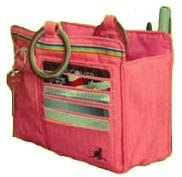
The Golf Trunk Organizer will keep all Dad's golf items organized and in one place. This case helps store in-car golf gear to make finding golf shoes, tees, balls and more easier than ever. It keeps shoes tidy and accessories neat. Two outside zippered pockets hide wallet and keys. There are three quick-access pockets and soft faux leather trim. Ventilated compartment keeps shoes fresh and tidy, wipes clean. Also three inside pockets. Compartments adjust for balls, tees, etc.17”x14”x5.5” (black)
Purchase this product at: http://www.theorganizedlifestylestore.com/
Showing posts with label ct shoreline. Show all posts
Showing posts with label ct shoreline. Show all posts
Monday, June 8, 2009

Saturday, May 30, 2009
Organize Your Purse

Lighten your load in your purse with a flat wallet. These wallets fit more inside than they appear to. They easily slide into any purse, briefcase or laptop bag.
We feature a variety of colors and two sizes.
Small Flat Wallet (5"x3.5"): $14.95
Large Flat Wallet (7.5"x 4.5"): $21.95
Purchase at http://www.theorganizedlifestylestore.com/
Thursday, March 19, 2009
SPRING CLEANING: Garage
With spring on the way, time to think about cleaning out the garage.Are you using your garage as a storage room?Are you able to drive your car into the garage?Here are some tips to guide you in getting things in order.
1. Start by purging what you no longer need, use or want.
2. Discard anything that is broken
3. Sell or give away what you can
4. Place everything you are keeping in the driveway, grouping items by categories (auto, sports, etc.)
5. Place small items in stackable bins and dangerous or valuable items in bins that lock
6. Hang what you can (garden tools, brooms, folding chairs, bikes, etc.)
7. Put shelves or cabinets up and/or free standing shelving units
8. Make use of rafters by laying sheets of plywood as a floor
1. Start by purging what you no longer need, use or want.
2. Discard anything that is broken
3. Sell or give away what you can
4. Place everything you are keeping in the driveway, grouping items by categories (auto, sports, etc.)
5. Place small items in stackable bins and dangerous or valuable items in bins that lock
6. Hang what you can (garden tools, brooms, folding chairs, bikes, etc.)
7. Put shelves or cabinets up and/or free standing shelving units
8. Make use of rafters by laying sheets of plywood as a floor
Wednesday, March 18, 2009
Streamlining the Morning Routine to Save Time
Do you find that you are running out the door frantic in the mornings trying not to be late or forget anything important? Here are some ways that you can combat the morning stress.
1. Empty your bags/briefcase as soon as you walk in the door at night and prepare them for the next day. Having a landing station for mail and other items that must enter and leave the house will help.
2. Put everything you will need for appointments, work or errands in the car the night before so you are packed and ready to go.
3. Know what you are wearing the next day before you go to bed. Pick out every detail from the outfit to the accessories and have them ready to go. When you are tired in the morning it is much easier to not have to think, but just follow a thought out plan.
4. Prepare lunches for the kids or work the night before. Grabbing food in the morning can seem like it will only take a minute or two, but a minute can turn into ten. You are more likely to opt for unhealthy take-out and spend more money on food when you already have the supplies to make a healthy meal from home.
5. Be consistent when you go to bed. Ensure that your bedtime will allow you enough sleep to wake up easily the next morning. The more you push the snooze button the greater the chance you will be stressed getting out the door in the morning.
6. Try to get gas or run errands that will affect your morning on your way home. There is nothing worse than running late and realizing your gas tank is empty. Taking the extra five minutes to fill your tank at night will relieve some pressure in the morning.
7. Create a good morning routine with your family. Be sure that the showers are not full when your small window to get out the door on time requires you to be in it. Everyone should know what time they must be up and follow the plan to prevent waiting (and arguing!) in the early morning hours.
8. Build in time to relax a little in the morning. If you are rushing around you will spend the rest of the day feeling that stress. Make sure you allow yourself enough time to wake up, enjoy that cup of coffee, check out the weather, or accomplish that one thing you forgot to do to prevent you from falling behind schedule.
1. Empty your bags/briefcase as soon as you walk in the door at night and prepare them for the next day. Having a landing station for mail and other items that must enter and leave the house will help.
2. Put everything you will need for appointments, work or errands in the car the night before so you are packed and ready to go.
3. Know what you are wearing the next day before you go to bed. Pick out every detail from the outfit to the accessories and have them ready to go. When you are tired in the morning it is much easier to not have to think, but just follow a thought out plan.
4. Prepare lunches for the kids or work the night before. Grabbing food in the morning can seem like it will only take a minute or two, but a minute can turn into ten. You are more likely to opt for unhealthy take-out and spend more money on food when you already have the supplies to make a healthy meal from home.
5. Be consistent when you go to bed. Ensure that your bedtime will allow you enough sleep to wake up easily the next morning. The more you push the snooze button the greater the chance you will be stressed getting out the door in the morning.
6. Try to get gas or run errands that will affect your morning on your way home. There is nothing worse than running late and realizing your gas tank is empty. Taking the extra five minutes to fill your tank at night will relieve some pressure in the morning.
7. Create a good morning routine with your family. Be sure that the showers are not full when your small window to get out the door on time requires you to be in it. Everyone should know what time they must be up and follow the plan to prevent waiting (and arguing!) in the early morning hours.
8. Build in time to relax a little in the morning. If you are rushing around you will spend the rest of the day feeling that stress. Make sure you allow yourself enough time to wake up, enjoy that cup of coffee, check out the weather, or accomplish that one thing you forgot to do to prevent you from falling behind schedule.
Tuesday, March 17, 2009
5 Things You Can Do Right Now to Limit Distractions At Work
1. Shut off your e-mail for short periods so you can avoid the temptation to leave your current project and rush to read the pop-up.
2. Have a screening process for your phone calls. If you don’t have caller id sign-up for it. If you have caller id, answer the phone calls you deem timely. If it is someone who you know you will talk to too long, make an appointment to talk to them or call them on your ride home from work tonight.
3. Be short, but specific with your responses. Limit return questions by phone or e-mail by stating everything clearly. Much of e-mail traffic is follow-up questions that could have been avoided the first time around.
4. Politely end conversations that are taking you away from your work or goals. For example, “I am really excited to talk to you, but I am caught up in a project right now, can we schedule a time to chat when I am less distracted?”
5. Knowing what you want to accomplish in the time period is important. By identifying your goals and making them visable you will have greater success at focusing on them and not the new ones that pop up during the day. Being reactive will allow you toget sucked into activities and conversations you are not interested in and don’t have time for.
2. Have a screening process for your phone calls. If you don’t have caller id sign-up for it. If you have caller id, answer the phone calls you deem timely. If it is someone who you know you will talk to too long, make an appointment to talk to them or call them on your ride home from work tonight.
3. Be short, but specific with your responses. Limit return questions by phone or e-mail by stating everything clearly. Much of e-mail traffic is follow-up questions that could have been avoided the first time around.
4. Politely end conversations that are taking you away from your work or goals. For example, “I am really excited to talk to you, but I am caught up in a project right now, can we schedule a time to chat when I am less distracted?”
5. Knowing what you want to accomplish in the time period is important. By identifying your goals and making them visable you will have greater success at focusing on them and not the new ones that pop up during the day. Being reactive will allow you toget sucked into activities and conversations you are not interested in and don’t have time for.
Monday, March 9, 2009
Making Tax Paperwork Less Taxing

Paper is the number one problem for my clients and customers. Tax season tends to highlight the flaws in our paper filing systems each year as we scramble to figure out where to find everything we need. Having the right system from the start can make it a lot easier. Knowing what was challenging this year, can make it a lot easier to decide what will work best for storing 2009 papers.
Studies have shown that 80% of the paper that is filed each day is never looked at again. That’s a lot of storage for useless documents! This statistic highlights why it is even more important to establish what you actually need for taxes and household reference.
Let’s start with the basics for a filing system. The first step is figuring out where the paper is going to go. Do you already have multiple file cabinets throughout the house? If you do, then you are going to want to be sure to clear some of them out before you rush to buy another one. Keep a filing cabinet near where you process your paperwork. If it is in the kitchen or dining room, then it might be good to keep either a portable or permanent filing system within quick reach. You are much more likely to deal with filing your papers immediately if the filing system is nearby. If that is not possible, then make it a habit to walk any papers to be filed to the file cabinet the day you work on them. “To File” piles end up being endless abysses of paper that you will end up sorting through for taxes next year. And you will be kicking yourself for not dealing with it sooner!
Once you have established where the files will go there are many ways you can set-up an easy and effective system. First, there are products out there that label your files for you. So all you have to do is drop in the categories. For instance, the Homefile system that sells for $24.95 gives you every major category for household and small business paperwork, including Banking, Insurance, Investments, Medical etc. If you are more into personalizing your files into categories you choose, you should check out Smead Viewable hanging file tabs. These three dimensional file tabs allow you to use a simple color-coding program on the computer to label and print custom tabs that can be viewed from the top as well as the sides. Placing them in a straight line when you attach them to hanging file folders will make finding your files extremely easy.
Studies have shown that 80% of the paper that is filed each day is never looked at again. That’s a lot of storage for useless documents! This statistic highlights why it is even more important to establish what you actually need for taxes and household reference.
Let’s start with the basics for a filing system. The first step is figuring out where the paper is going to go. Do you already have multiple file cabinets throughout the house? If you do, then you are going to want to be sure to clear some of them out before you rush to buy another one. Keep a filing cabinet near where you process your paperwork. If it is in the kitchen or dining room, then it might be good to keep either a portable or permanent filing system within quick reach. You are much more likely to deal with filing your papers immediately if the filing system is nearby. If that is not possible, then make it a habit to walk any papers to be filed to the file cabinet the day you work on them. “To File” piles end up being endless abysses of paper that you will end up sorting through for taxes next year. And you will be kicking yourself for not dealing with it sooner!
Once you have established where the files will go there are many ways you can set-up an easy and effective system. First, there are products out there that label your files for you. So all you have to do is drop in the categories. For instance, the Homefile system that sells for $24.95 gives you every major category for household and small business paperwork, including Banking, Insurance, Investments, Medical etc. If you are more into personalizing your files into categories you choose, you should check out Smead Viewable hanging file tabs. These three dimensional file tabs allow you to use a simple color-coding program on the computer to label and print custom tabs that can be viewed from the top as well as the sides. Placing them in a straight line when you attach them to hanging file folders will make finding your files extremely easy.
Remember, as you are creating your files, keep the categories simple. Getting too detailed will make it hard to remember what category you filed something and too broad will make it difficult to track down a paper quickly. If you keep most of your categories focused on what you need to refer back to for everyday financial records, taxes, home and medical, you will find that you really don’t need to keep that much paper.
If you have a lot of hobbies and are finding that you clip every magazine article with a new recipe or every tip you see on gardening, ask yourself how many times you have actually referred back to them once you have filed them. There is a good chance every time you revisit your files you are going down memory lane and seeing paper you didn’t even remember keeping.
Lastly, make sure that you purge your files constantly. If you get a new insurance policy, throw out the old one. Continuing to pile papers into a category that are not current will only make finding the current ones harder. Each year, archive the old paperwork together and remove it from your everyday files. It is a constant shuffle, but worth the time throughout the year. You will thank yourself when you prepare your 2009 taxes!
Kristin Mastromarino is a professional organizer and owner of Livable Solutions Professional Organizing and The Organized Lifestyle retail store in Guilford, CT. (http://www.theorganizedlifestylestore.com/). You can e-mail her your questions at Kristin@livablesolutions.com.
If you have a lot of hobbies and are finding that you clip every magazine article with a new recipe or every tip you see on gardening, ask yourself how many times you have actually referred back to them once you have filed them. There is a good chance every time you revisit your files you are going down memory lane and seeing paper you didn’t even remember keeping.
Lastly, make sure that you purge your files constantly. If you get a new insurance policy, throw out the old one. Continuing to pile papers into a category that are not current will only make finding the current ones harder. Each year, archive the old paperwork together and remove it from your everyday files. It is a constant shuffle, but worth the time throughout the year. You will thank yourself when you prepare your 2009 taxes!
Kristin Mastromarino is a professional organizer and owner of Livable Solutions Professional Organizing and The Organized Lifestyle retail store in Guilford, CT. (http://www.theorganizedlifestylestore.com/). You can e-mail her your questions at Kristin@livablesolutions.com.
Subscribe to:
Posts (Atom)